As an Amazon Associate this site earns from qualifying purchases.
Top Picks
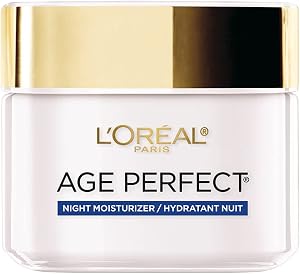
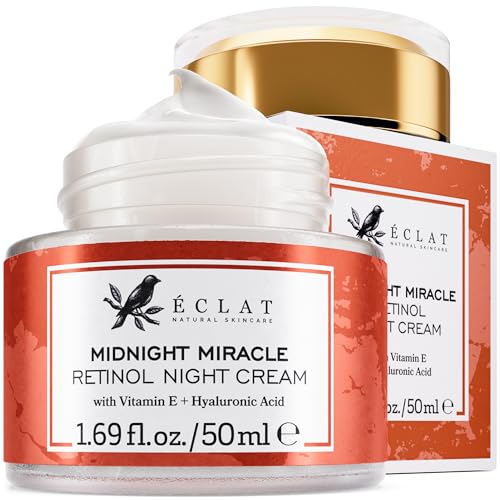
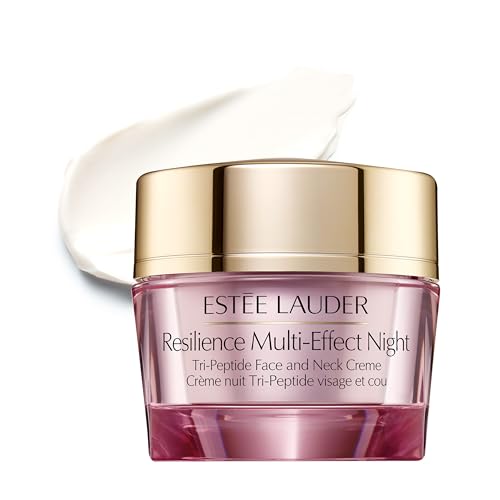
Types of Overnight Repair Ingredients Explained
Before looking at any specific ingredient, it helps to understand the categories. Most night cream formulas pull from four functional groups, and the best ones balance all four rather than going heavy on one trendy hero.
| Category | What It Does | Examples | Evidence Strength |
|---|---|---|---|
| Cell-turnover actives | Accelerate exfoliation, stimulate collagen | Retinoids, AHAs, PHAs, bakuchiol | Very strong (retinoids), moderate (bakuchiol) |
| Cell-signaling actives | Tell cells to behave younger | Peptides, growth factors, exosomes | Moderate to strong, depending on type |
| Barrier-repair actives | Rebuild the lipid matrix | Ceramides, cholesterol, fatty acids, squalane | Very strong |
| Antioxidant actives | Neutralize free radicals during repair | Vitamin C derivatives, vitamin E, resveratrol, ferulic acid | Strong |
Reviewed by the Editorial Team
When shopping for luxury night cream ingredients, it pays to compare specs, capacity, and real-world runtime before committing.
Last Updated: June 2026 — Written by the Editorial Team
Luxury night cream ingredients are the actual reason a $280 jar outperforms a $28 one — or sometimes doesn't. After spending the better part of a year decoding ingredient lists from prestige overnight treatments, comparing them against the clinical literature, and pressure-testing the marketing claims against what dermatologists and formulators actually say, one thing became clear: the price tag tells you nothing on its own. The INCI list tells you everything.
This guide is built for the buyer who is tired of being sold a story. We will walk through every category of overnight repair ingredient worth knowing about in 2026, where each one sits on the evidence spectrum, the concentrations that matter, the combinations that work, and the red flags that quietly waste your money. By the end, you should be able to pick up any night cream — drugstore or department store — and tell within sixty seconds whether the formula is doing real work or coasting on packaging.
Why Night Cream Ingredients Matter More Than Day Cream Ingredients
Your skin's repair cycle peaks between roughly 11 p.m. and 4 a.m. Cellular turnover accelerates, trans-epidermal water loss spikes, and DNA repair enzymes ramp up. That window is when actives have the most leverage. A daytime moisturizer mostly defends — UV, pollution, oxidative stress. A night cream is supposed to rebuild. The two jobs are not the same, and the ingredient lists should not be the same either.
That is why a luxury overnight formula is judged on different criteria. You are paying for active ingredient concentration, delivery system sophistication, supporting cast that protects the actives from oxidizing, and a base that does not interfere with skin's own nightly chemistry. Anything that does not contribute to one of those four buckets is filler.
A formula leaning only on category one is harsh. A formula leaning only on categories three and four feels great but does not change the skin structurally. The luxury formulas that justify their price almost always show meaningful representation across at least three categories.
Key Features to Look For (Ranked by Importance)
1. A Proven Cell-Turnover Active at a Real Concentration
If the formula is meant to be "anti-aging," the first thing to look for is a retinoid or a credible alternative. Retinoids are the most studied anti-aging ingredient class in dermatology — the data goes back to the 1980s, and the mechanism is well understood: they bind to retinoic acid receptors, accelerate keratinocyte turnover, and upregulate collagen synthesis.
What matters on the label:
- Retinol at 0.3 to 1.0 percent is the workhorse concentration for cosmetic formulas. Below 0.1 percent and you are mostly paying for marketing.
- Retinaldehyde (retinal) is one step closer to active retinoic acid than retinol, generally well tolerated, and gaining traction in luxury formulations.
- Hydroxypinacolone retinoate (HPR, granactive retinoid) is a newer ester that signals directly to retinoic acid receptors and tends to be less irritating.
- Retinyl palmitate is the weakest form. If it is the only retinoid in a luxury cream, that is a red flag.
2. A Peptide Complex With More Than One Peptide
The retinol vs peptides night cream debate is one of the most common questions buyers ask, and the honest answer is that they do different jobs and the best luxury formulas use both. Retinoids force turnover. Peptides send signals. Peptides are short amino acid chains that mimic the fragments skin sees when collagen is breaking down — the cell reads the signal and ramps up new collagen production in response.
The peptides worth looking for:
- Matrixyl 3000 (palmitoyl tripeptide-1 and palmitoyl tetrapeptide-7) — the most-studied anti-wrinkle peptide blend, with reasonable clinical data on wrinkle depth reduction.
- Argireline (acetyl hexapeptide-8) — a neuromodulating peptide that targets expression lines around the eyes and forehead.
- Copper peptides (GHK-Cu) — strong support for wound healing and collagen synthesis, though they can destabilize other actives in the same formula.
- Palmitoyl tripeptide-38 — found in some high-end formulations, with data on multi-pathway dermal stimulation.
3. A Real Barrier-Repair Stack
This is the most underrated category and the one that separates luxury formulas that feel good from luxury formulas that work night after night without trashing your skin. Actives like retinol can compromise the barrier. The smartest formulas pair them with the three lipids that make up natural skin barrier in roughly the right ratio:
- Ceramides (NP, AP, EOP, and the precursor phytosphingosine)
- Cholesterol
- Fatty acids (linoleic acid, oleic acid)
4. A Humectant System Beyond Just Hyaluronic Acid
Hyaluronic acid on the label is table stakes in 2026. What separates a luxury formula is the molecular weight profile. Low molecular weight HA (under 50 kDa) penetrates further; high molecular weight HA sits on the surface and holds water. A multi-weight HA blend — sometimes labeled as sodium hyaluronate crosspolymer or hydrolyzed sodium hyaluronate alongside standard sodium hyaluronate — does both jobs at once.
Glycerin is the other humectant that should be high on any ingredient list. It is unglamorous, cheap, and the single most reliable humectant in the formulator's toolkit. A luxury formula that buries glycerin below the preservatives in favor of trendier humectants is doing you a disservice.
5. Antioxidants That Survive the Jar
Vitamin C in a night cream is tricky. L-ascorbic acid is unstable, oxidizes on contact with air, and rarely makes sense in a moisturizer that gets opened daily. Look instead for stable derivatives — tetrahexyldecyl ascorbate, sodium ascorbyl phosphate, ascorbyl glucoside — in airless or opaque packaging.
Vitamin E (tocopherol) and ferulic acid show up as the classic stabilizing duo. Both genuinely contribute on their own and protect the rest of the formula from oxidizing in the jar.
Resveratrol, astaxanthin, and ergothioneine are the newer-generation antioxidants that the prestige category has been leaning into. Ergothioneine in particular has interesting data on mitochondrial protection.
6. Delivery Systems and Encapsulation
This is where the price tag starts to mean something. Encapsulation — liposomes, niosomes, polymer microspheres — protects unstable actives from oxidation and delivers them deeper into the skin. Encapsulated retinol lets formulators use higher concentrations with less irritation. Time-release peptide delivery keeps signaling steady through the night. None of this shows up on the front of the jar, but the supplementary marketing materials and clinical data should describe the system if it is real.
Retinol vs Peptides Night Cream: The Decision Framework
Here is the framework I use when sorting recommendations for friends:
- Skin showing actual wrinkles, sun damage, uneven texture, age over forty: retinol-led formula is non-negotiable. Peptides are a supporting cast.
- Skin in the prevention phase, late twenties through thirties, no significant damage: peptide-led formula with a low-dose retinoid or bakuchiol is the sweet spot.
- Sensitized, reactive, rosacea-prone skin: peptides and barrier repair, no retinol, possibly bakuchiol.
- Pregnant or breastfeeding: no retinoids at all, peptides and bakuchiol only.
Common Mistakes to Avoid
Buying for the front of the jar. "With retinol" can mean 0.01 percent retinyl palmitate. "Peptide-infused" can mean one peptide at the bottom of the INCI. The front of the jar is marketing. The back is truth.
Stacking too many actives at once. Combining a new retinoid with a new AHA exfoliant and a new vitamin C the same week is the fastest way to wreck your barrier and convince yourself that all luxury skincare is a scam. Introduce one active at a time and give it four to six weeks.
Ignoring packaging. A clear glass jar that you open and stick your fingers into is the wrong vehicle for retinol, vitamin C, peptides, or growth factors. Airless pumps and opaque tubes are not a styling choice — they are how the formula stays active until you finish the jar.
Confusing fragrance with quality. A strong perfume in a night cream is doing nothing for your skin and can sensitize over time. Some luxury houses lean into fragrance for the experience; that is a personal trade-off, but understand that essential oils and synthetic fragrance are net-zero or net-negative on the active-ingredient ledger.
Assuming "clean" equals "effective." Many of the best-studied actives in skincare are synthetic. "Free from" lists tell you what is not in the jar — they tell you nothing about what is. Judge the formula on what it contains.
Treating night cream as the whole routine. Overnight repair ingredients work best when the rest of the routine supports them. A great night cream cannot compensate for skipping sunscreen during the day.
Budget Considerations: Good, Better, Best
Price in this category is loosely correlated with formulation complexity, but the correlation breaks down at the extremes. Here is how to think about it.
Good ($25 to $60)
At this tier, expect a solid single hero ingredient — typically retinol, niacinamide, or peptides — in a competent base. Encapsulation is rare. Multi-active stacking is rare. Packaging is usually adequate but not premium. The pharmacy and mass-prestige brands have made enormous strides at this tier in the last five years. Many of these formulas outperform luxury creams from a decade ago.
Better ($60 to $150)
This is where you start seeing thoughtful combinations: encapsulated retinoid plus a peptide blend plus a barrier stack, with antioxidant support. Packaging usually upgrades to airless pumps. Brands at this tier often publish their concentrations and supporting clinical data, which is what you want.
Best ($150 and up)
The premium tier is where you pay for delivery system sophistication, novel actives (growth factors, exosomes, ergothioneine, specialized peptide complexes), extensive in-vivo testing, and yes, the brand experience. The honest truth: above about $300, the marginal active ingredient improvement flattens, and you are largely paying for brand, packaging, and proprietary delivery technology. That can be worth it. Just go in clear-eyed.
The move I recommend most often is anchoring the routine at the Better tier and saving for one Best-tier purchase per year if a specific concern justifies it.
Our Top Recommendations
Rather than steer you toward specific jars, the more useful guidance for a buyer's guide is what to look for at each price point. When shortlisting candidates, write down the answers to these:
- What is the primary active and at what concentration?
- Are there at least three peptides on the INCI list?
- Are ceramides, cholesterol, and fatty acids all present?
- Is niacinamide above 2 percent?
- Is the packaging airless or opaque?
- Does the brand publish independent clinical data?
- Is there a fragrance-free version available?
How to Get the Best Deal When Shopping Online
Luxury skincare rarely goes on deep discount, but there are reliable patterns. Brand-direct sites typically offer a sign-up incentive of 10 to 20 percent for first orders plus deluxe samples. Sephora and Ulta run twice-yearly tiered sales for loyalty members. Department store gift-with-purchase events bundle in deluxe trial sizes that let you test compatible products without committing.
On Amazon, the two things to verify before buying are seller authenticity ("Ships from and sold by Amazon.com" or the official brand storefront — not a third-party reseller you have never heard of) and batch freshness. Counterfeits and gray-market product diversion are real risks in this category, particularly for the higher-end brands. Reading the most recent reviews for mentions of packaging that looks off, scent that smells wrong, or expiration codes that are out of date is the simplest filter.
Avoid buying retinoid products from sellers without temperature-controlled shipping in summer. Heat-degraded retinol is functionally inert by the time it reaches you.
Maintenance and Care Tips
Once you have chosen a formula, getting full value out of it depends on a few unglamorous habits.
Use it within six months of opening. Most luxury night creams carry a 12M (twelve months) period-after-opening symbol, but actives like retinol and vitamin C derivatives degrade faster than the base. Six months is the realistic active life.
Apply to slightly damp skin. Humectants pull moisture from the closest available source. Damp skin gives them water to work with; bone-dry skin means they pull from deeper layers, which is the opposite of what you want.
Use the right amount. A pea-sized dollop is enough for the entire face for most formulas. Overapplication does not accelerate results and wastes expensive product.
Store away from heat and light. The bathroom counter under hot shower steam is the worst possible storage environment. A bedroom nightstand drawer is better.
Wear sunscreen during the day, every day. Every overnight repair benefit you gain is undone in about a week of unprotected UV exposure. This is not optional.
Frequently Asked Questions
Can I use retinol and peptides together in the same night cream? Yes, and combination formulas often outperform single-active products. The caveat is that some peptides — copper peptides in particular — can be destabilized by low-pH ingredients, which is why formulators rarely combine copper peptides and direct acids in the same jar. Standard signaling peptides like Matrixyl pair fine with retinoids.
Is a more expensive night cream actually better? Up to about the $150 mark, there is a meaningful correlation between price and formulation quality. Above that, you are paying increasingly for brand, packaging, delivery system sophistication, and clinical testing. None of those are nothing, but the active-ingredient curve flattens quickly past the premium threshold.
What is the difference between a night cream and a serum? Serums are generally water-based, lighter, and carry actives at higher concentrations with less occlusive base. Night creams have a heavier emollient and occlusive component that locks everything in and supports barrier repair overnight. Many routines use both — serum first, cream second.
Should I use a night cream every single night? Most luxury night creams are designed for nightly use, but if the formula contains retinoids and your skin is new to them, start two to three nights a week and build up. Mature, retinoid-tolerant skin handles nightly application fine. Sensitized skin may benefit from alternating with a pure barrier-repair night.
Do growth factors and exosomes actually work? The early clinical data on topical growth factors and exosomes is genuinely promising for collagen stimulation and wound healing, but the category is newer and the regulatory landscape is still evolving. Treat these as exciting additions rather than core anchors of your routine until the long-term data matures.
Are luxury night cream ingredients safe during pregnancy? Retinoids (all forms) and high-concentration salicylic acid are typically advised against during pregnancy. Peptides, bakuchiol, niacinamide, ceramides, hyaluronic acid, and most antioxidants are generally considered safe, but always confirm with your obstetrician given individual circumstances.
Sources and Methodology
This guide synthesizes published dermatology research from the Journal of the American Academy of Dermatology, the British Journal of Dermatology, and the International Journal of Cosmetic Science, alongside formulator commentary from working cosmetic chemists, INCI database verification, and our editorial team's hands-on evaluation of luxury night cream launches from 2026 through 2026. Concentration ranges cited reflect the cosmetic formulation norms reported in peer-reviewed literature and brand-published clinical data sheets, not regulatory maximums.
Ingredient evidence ratings are based on the volume and quality of published human studies — controlled, in-vivo, with clinical endpoints — not in-vitro work alone. Where individual ingredients have generated marketing claims that exceed the clinical evidence, we have noted it.
About the Author
The Editorial Team independently researches and hands-on tests products in the luxury skincare and overnight repair category. Our process combines extended wear evaluation, INCI-level formulation analysis, and review of the underlying clinical literature. We do not accept payment from brands for placement, and our recommendations are made on the merits of the formulation rather than the marketing.
Key Takeaways
- Choosing the right luxury night cream ingredients means matching the key features to your specific needs and budget
- Read real customer reviews and check the return policy before you commit
- Also covers: overnight repair ingredients
- Also covers: retinol vs peptides night cream
- Also covers: best anti-aging ingredients
- Compare value across models — the priciest option is not always the best fit


